Welcome to my online portfolio.

Having recently completed my degree in Architectural Studies at Univeristy College London... this site shows a selection of my past work, both from my degree, my own free time, and earlier. I am flexible in both my medium and style, experimenting with a range of themes. From architectural design in the form of technical drawings, sketching and modelling, to photography, illustration and art - both digital and traditional.

Please take your time to browse projects via the PORTFOLIO tab on the right. Alternatively, you can search by category. Clicking on images opens them in their own window, for a larger resolution.

PHOTOGRAPHY: LA

Frank Gehry's Walt Disney Concert Hall


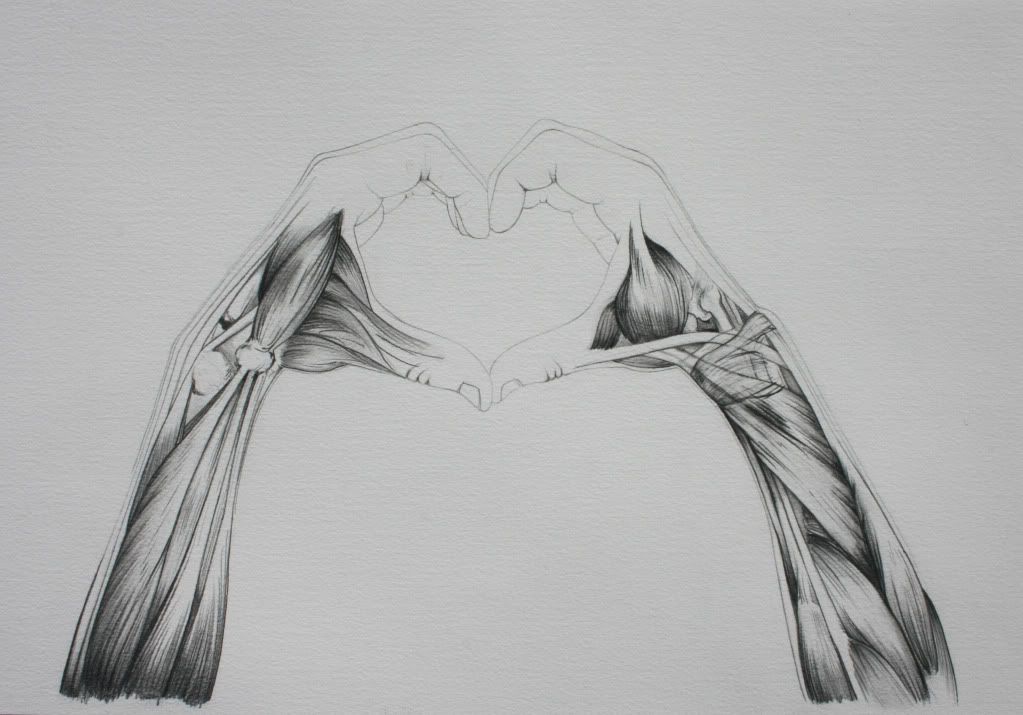
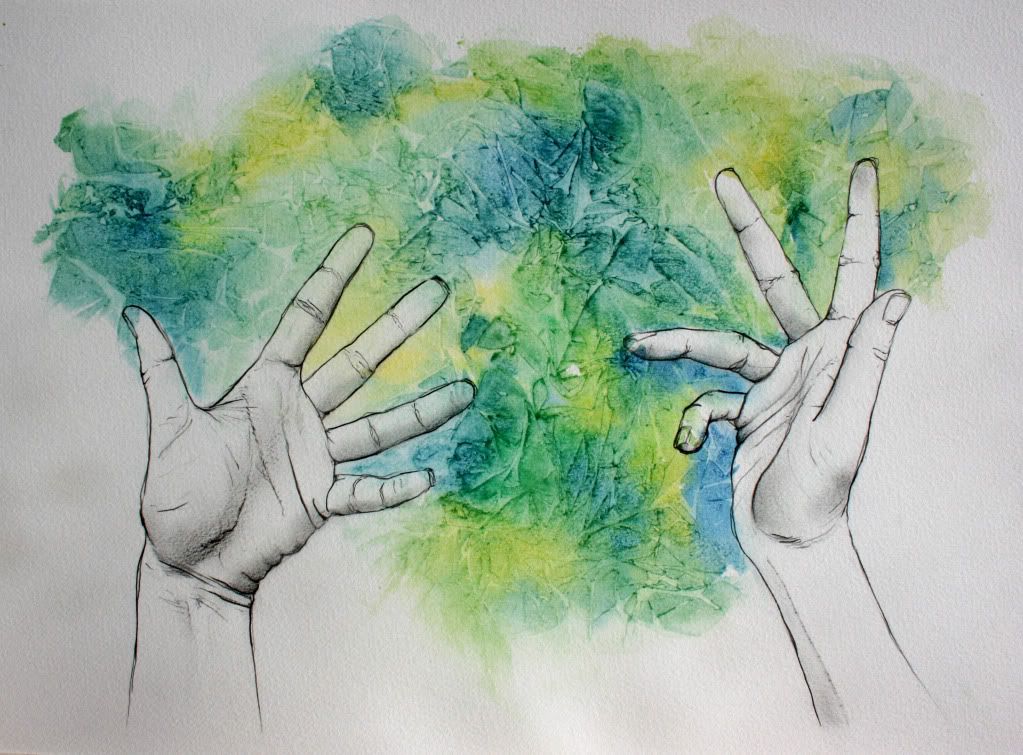
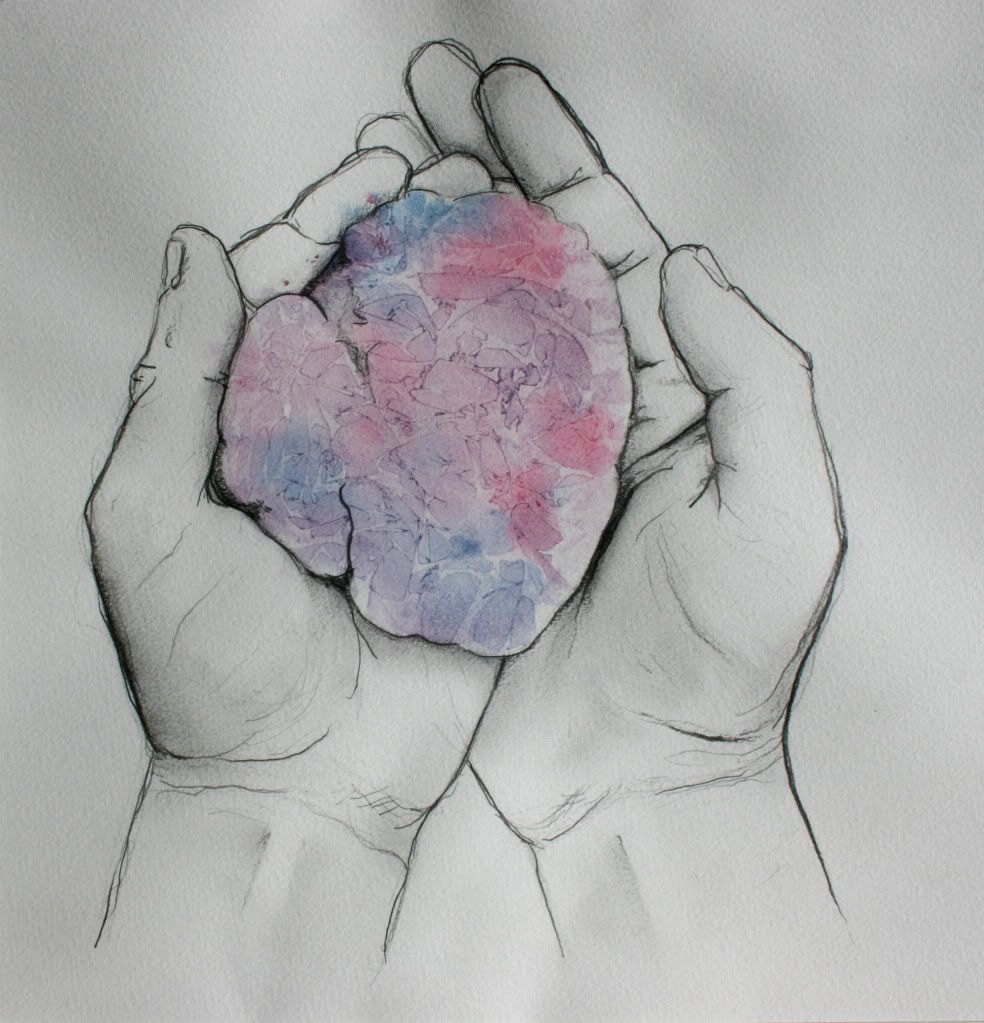
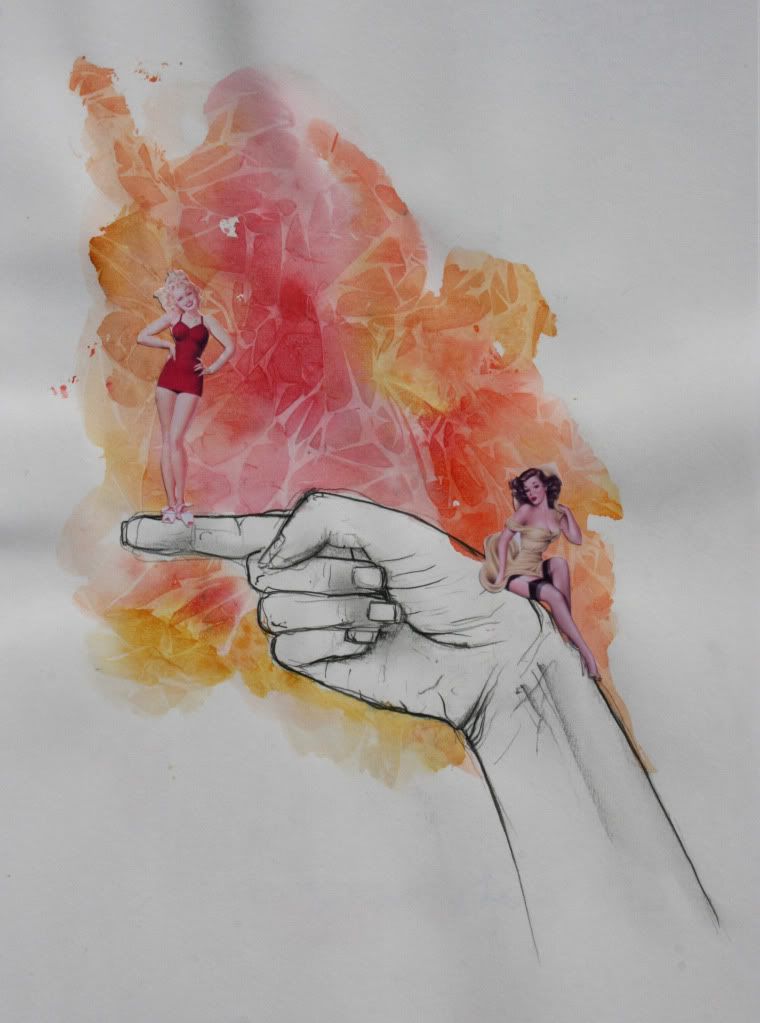
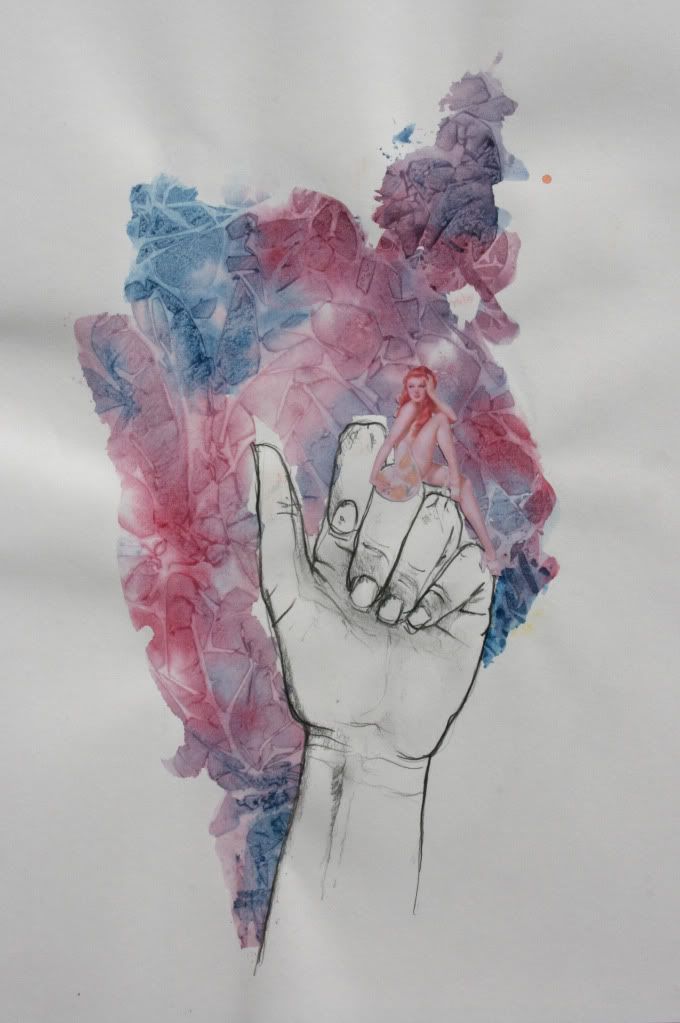
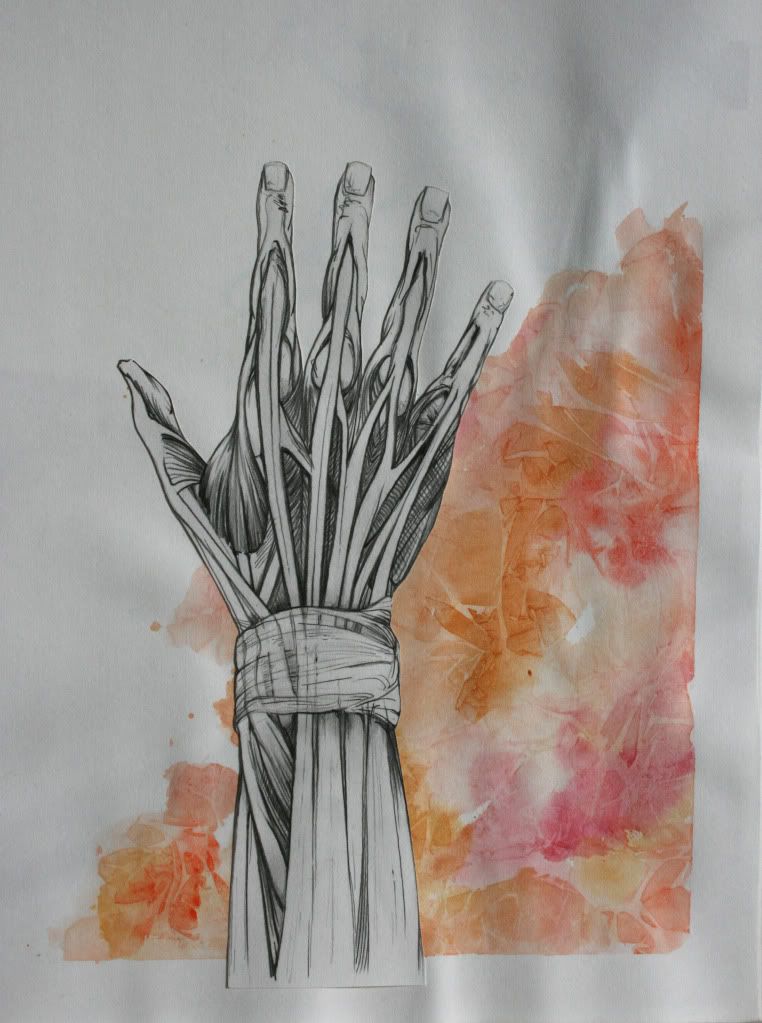
ART: Hands for Anatomy

Final pieces:


Sketchbook:


Third Year Architectural Studies, Anatomy for Artists course, UCL

Hands
A pair of organs capable of the most precise movement; hands are sophisticated instruments allowing an extraordinary manipulation of the environment. With the fingertips dense in nerves, hands are particularly receptive and epitomise the human sense of touch and relationship to tactility. Our opposable thumbs, a principle characteristic of human hands, increase the possibilities allowing for a wider range of movement. In coalition with the brain, hands embody the highly-valued faculties of the human species and are a means by which we may demonstrate our evolved intelligence. Their manipulative ability is indicative of the power they harness, yet in addition to this, the capacity to deal with small and fragile objects, acts of delicacy and subtlety. Our responsibility to ourselves and nature is facilitated through them, the physical actors and those capable of performing near incomprehensible acts of surgery and complex technical engineering. Hands facilitate interaction not just with our environment, but between human beings; instruments of comfort and care and moreover, communication. Just as significant perhaps, is their role beyond the mechanical function; a complex articulatory ability enabling their expressive nature, integral to expressing emotion just as the face.
The sketchbook began as an exploration of illustration techniques of the hand and forearm, investigating historical and current representation both at an anatomical level and more general depictions of the hands. Later, I drew upon my own artistic practice, experimenting in media and style; playfully sketching and photographing, then incorporating my own techniques of colour and collage. The purpose: to explore how the aforementioned qualities might manifest as art, both literally, as in medical illustration, and symbolically.


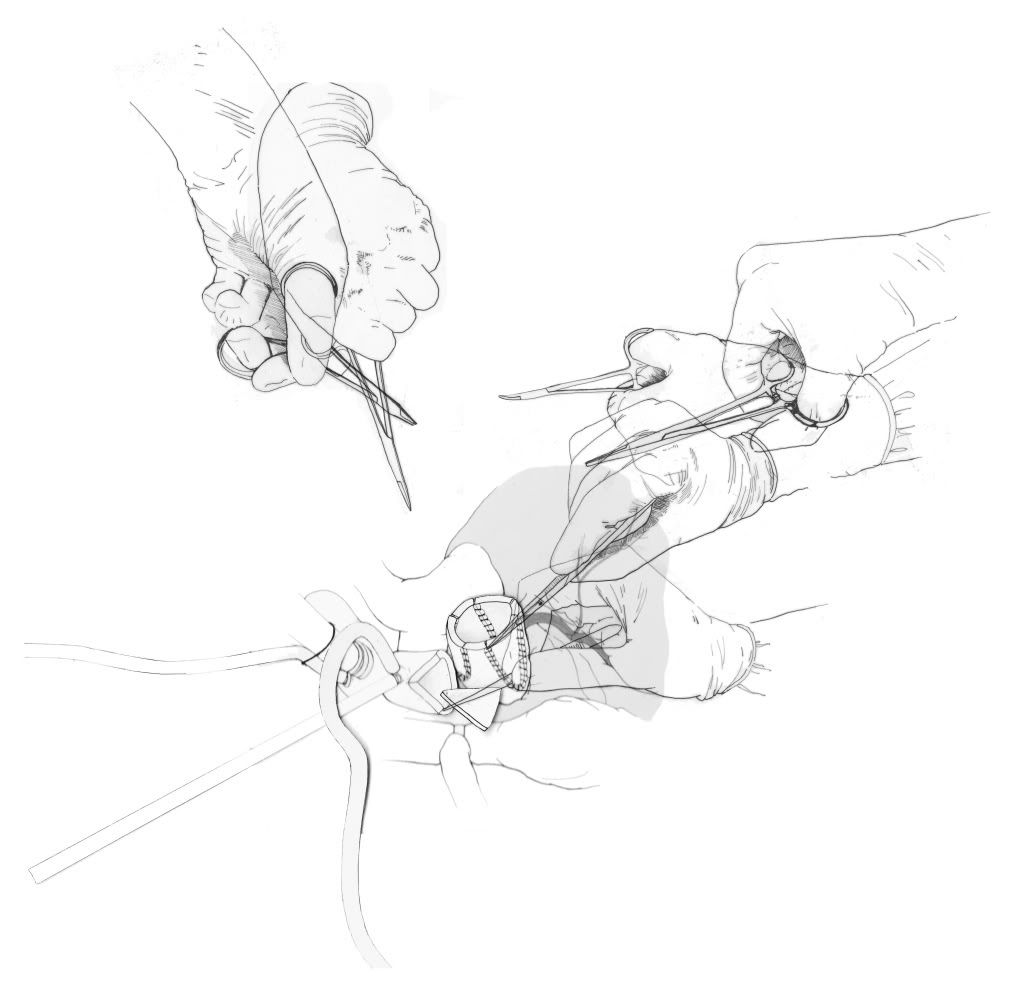
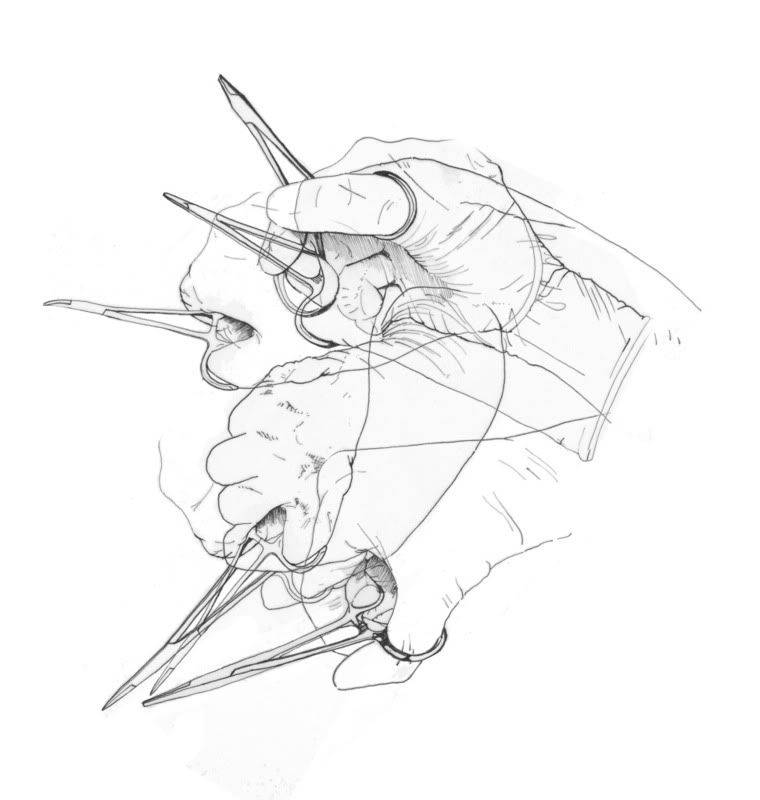
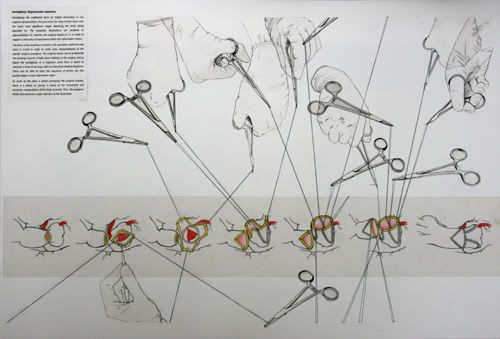
ILLUSTRATION: aortic stenosis

'Project X', Third year Architectural Studies.

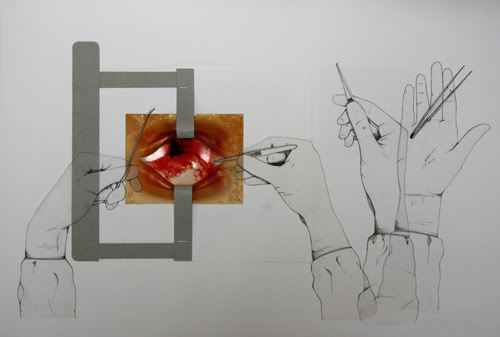
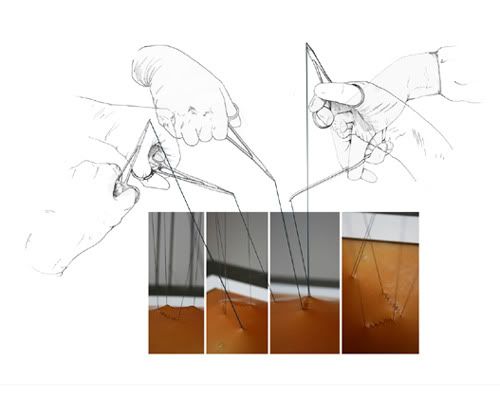
Surgical hands


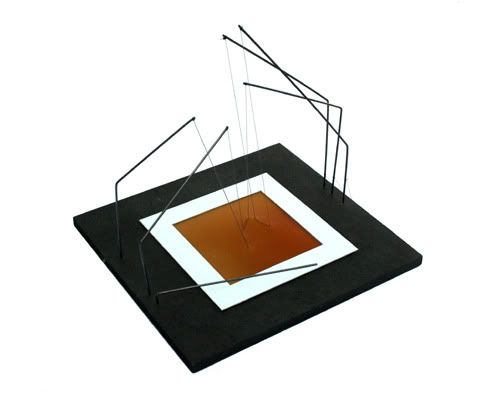
Model:


ILLUSTRATION: speculations

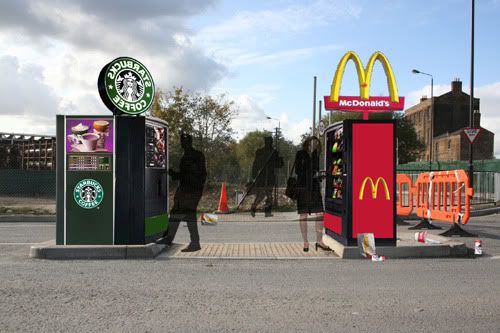
King's X Crossing speculations (2008).

Preliminary project, Term 1, Year 3 Architectural Studies.


Preliminary project, Term 1, Third Year Architectural Studies.


DESIGN: model fragments

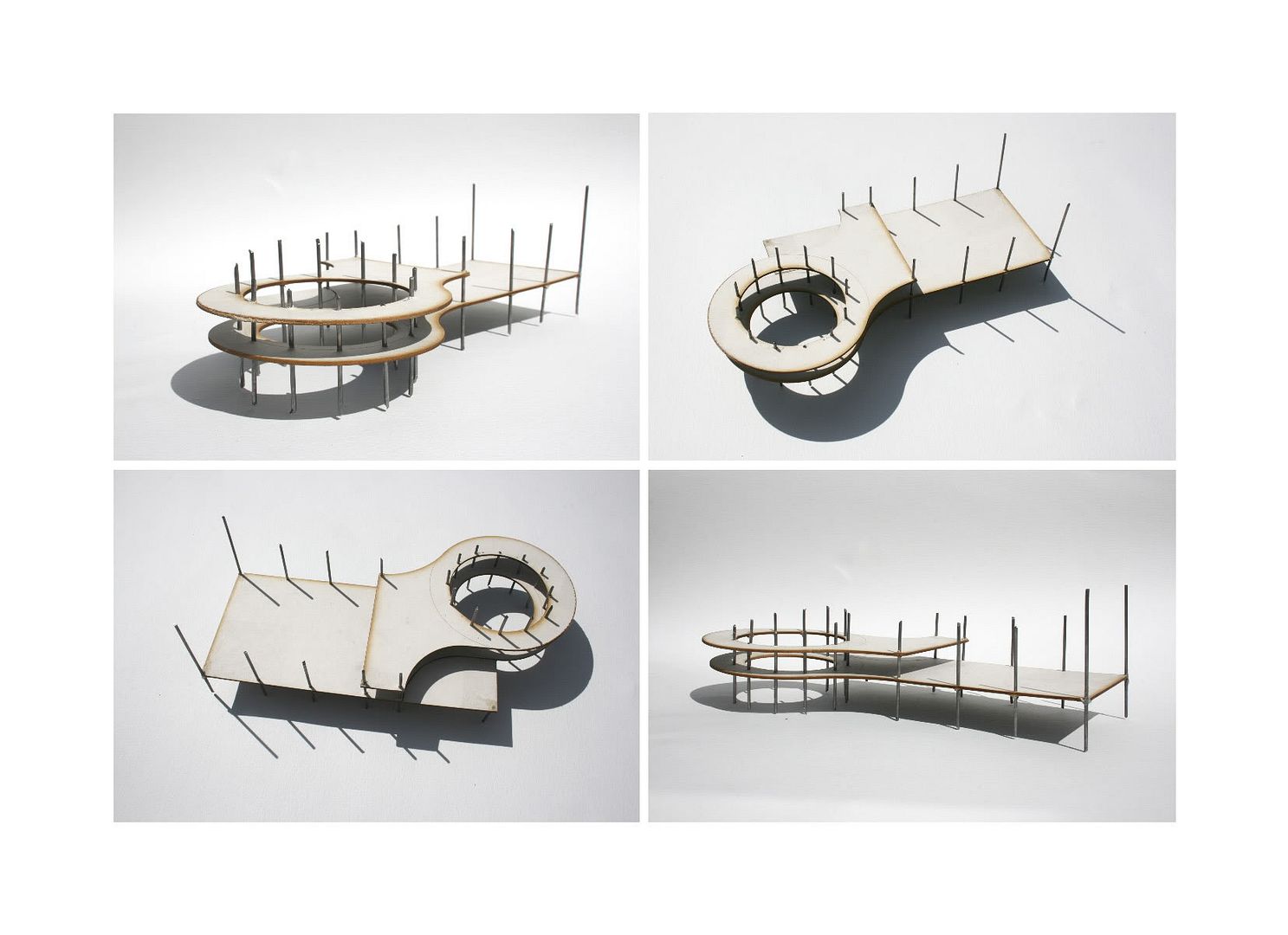
Laser-cut sketch models from 2D Microstation drawings (digital).


DESIGN: plinth


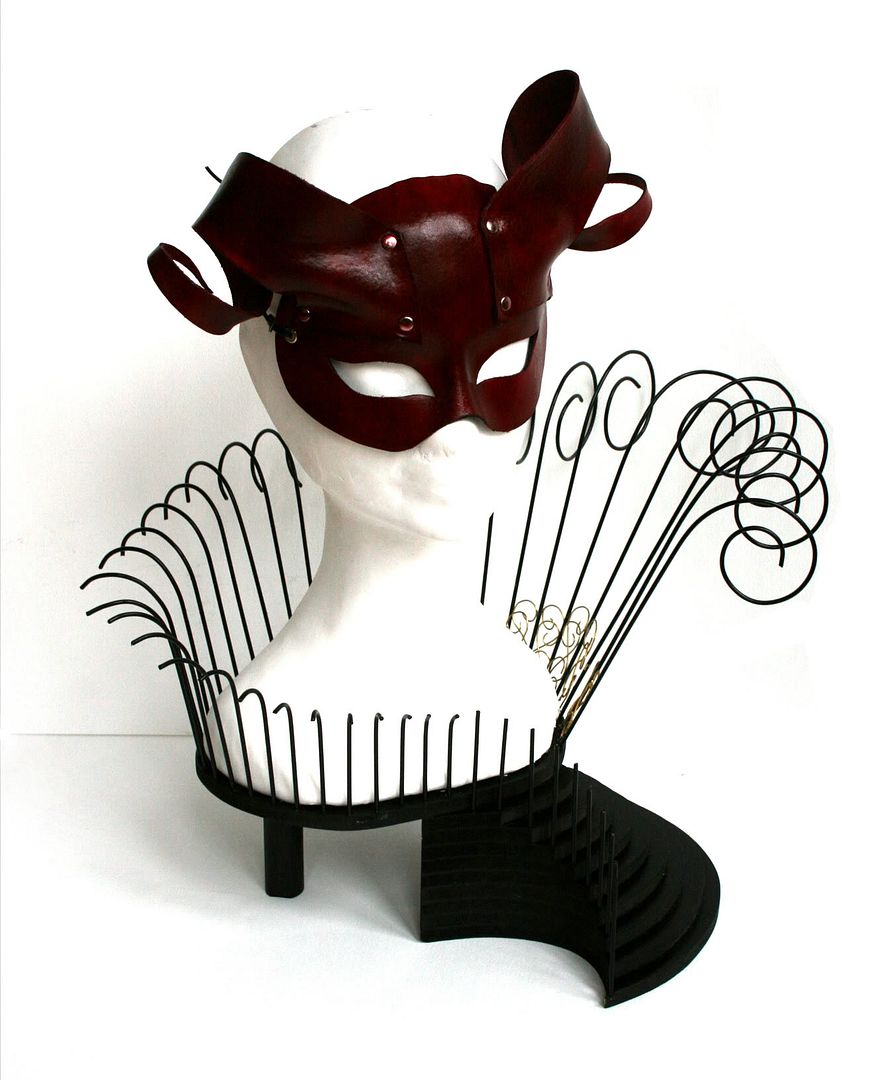
The Vessel: plinth (2008).


A preliminary project to the second term's building design project, following a fieldtrip to New Orleans, Second Year BSc Architecture.

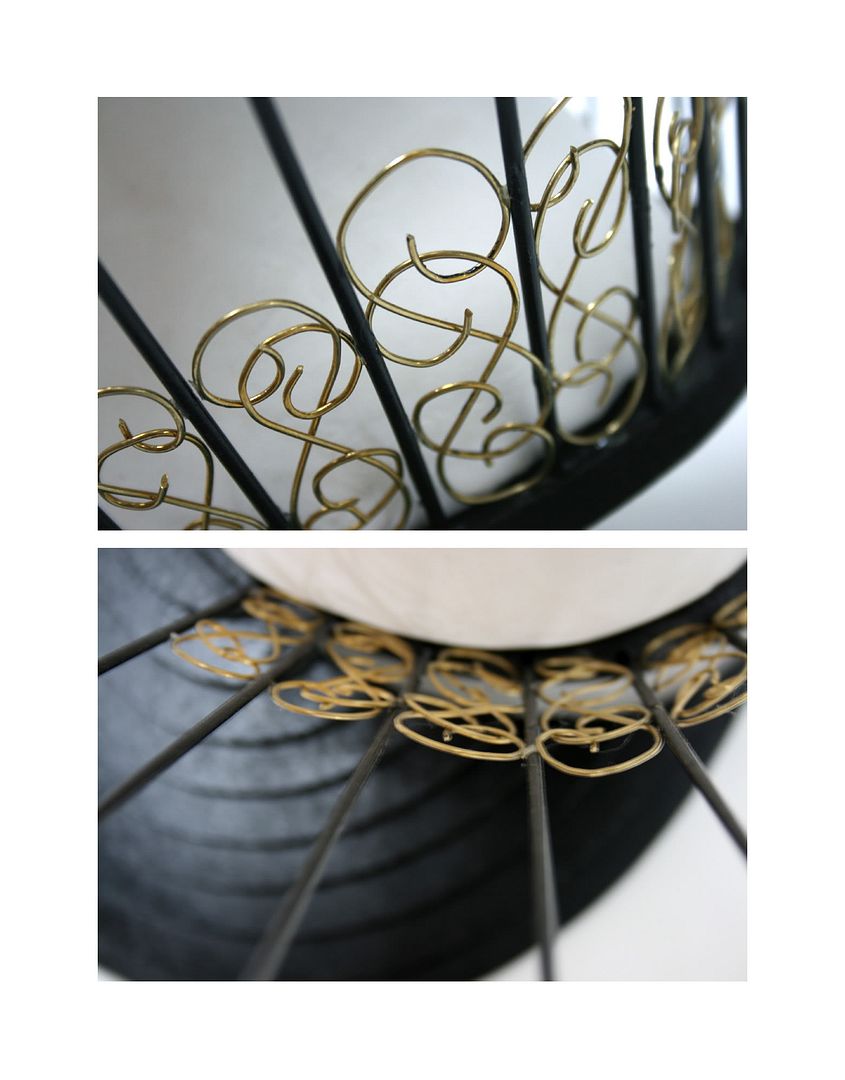
The concept of the plinth began with the Mardi Gras costume, combined with popular elements of New Orleans architecture. I identified parallels between the decorative iron balconies and the typically ornate and often gaudy costumes upon the parade floats. I drew upon the gothic appearance of my souvenir to create this dark display for the Mardi Grasmask on the contrasting eerie white plaster head.


DESIGN: viewing devices


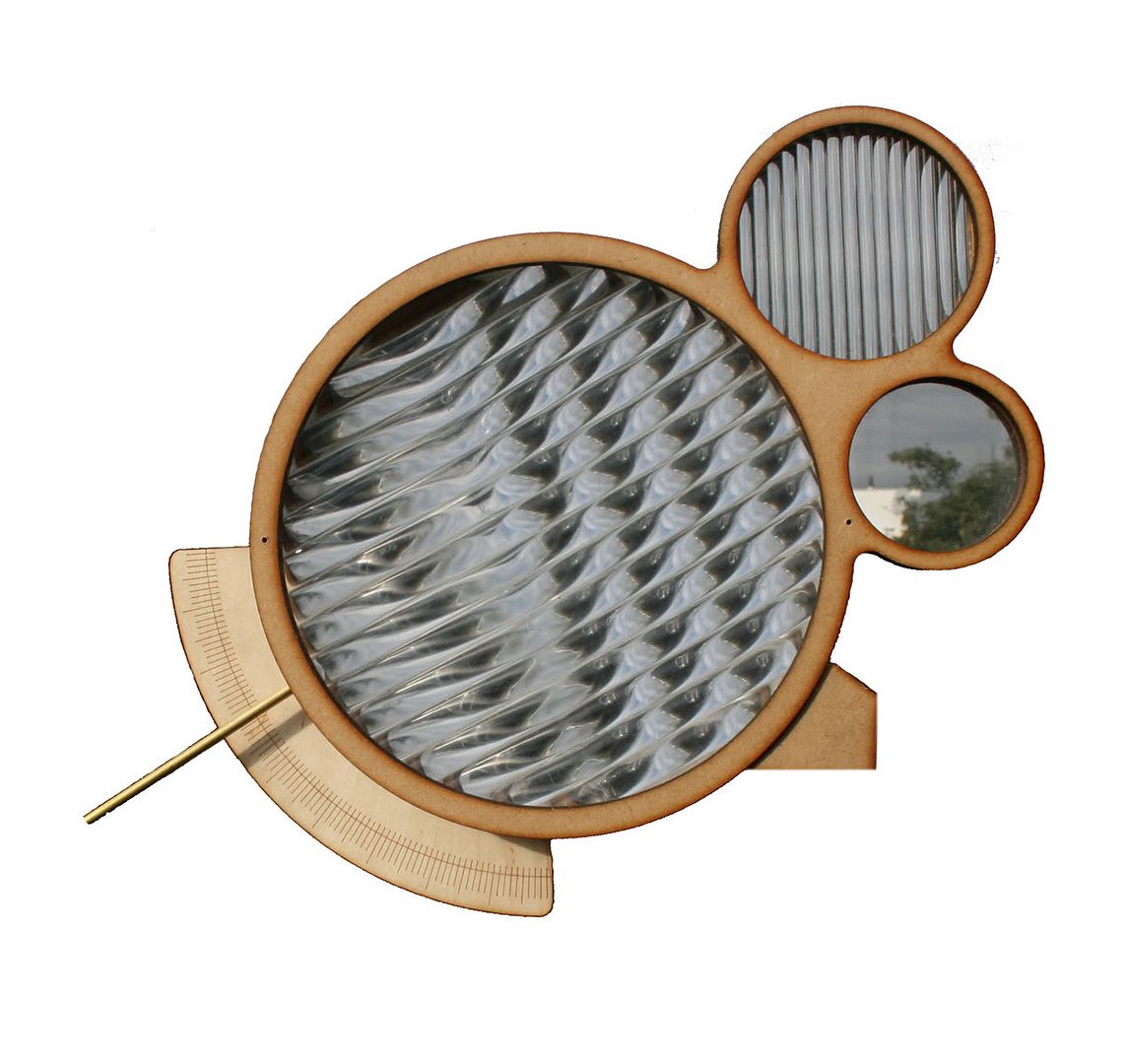
Viewing devices of Dungeness (2007).


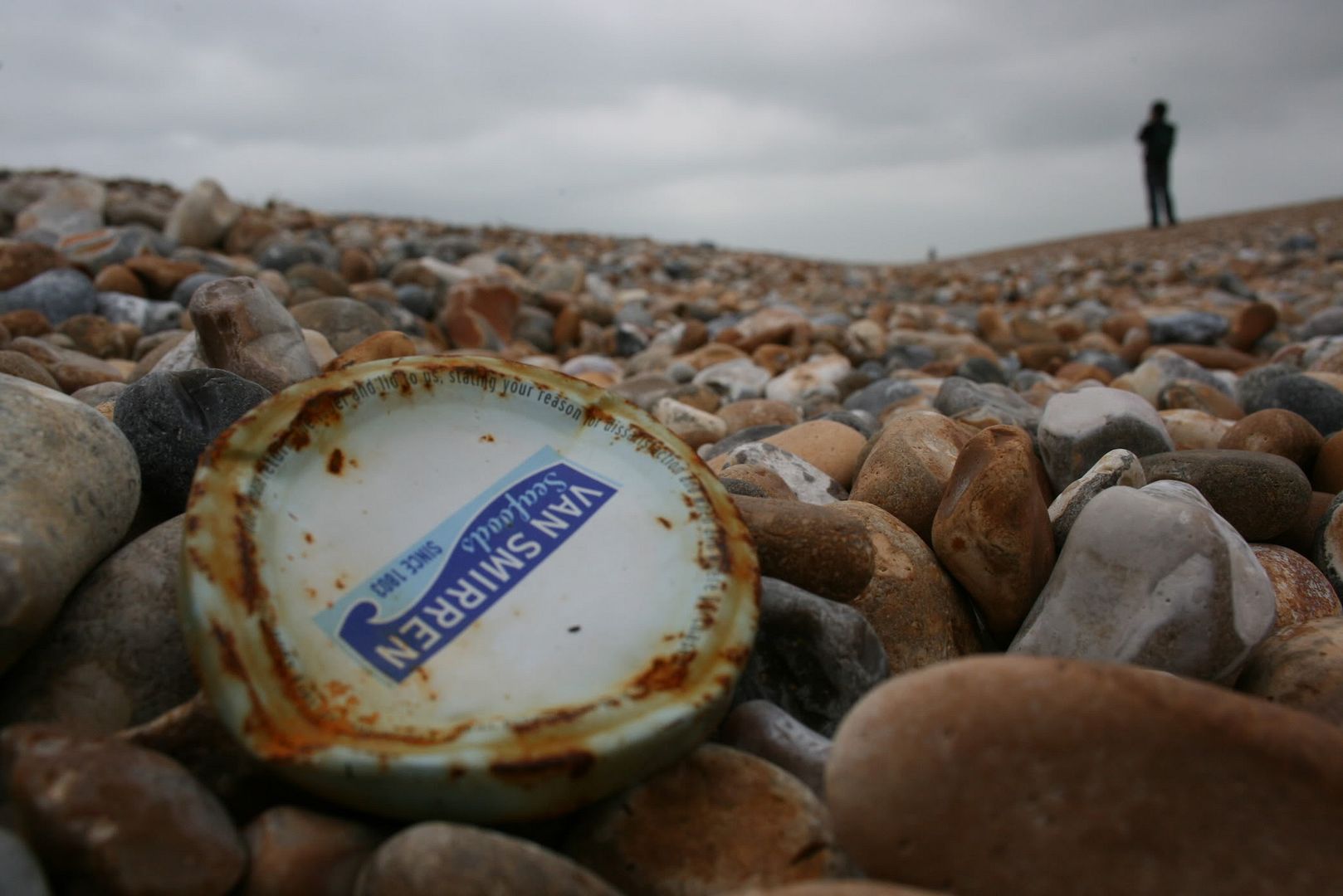
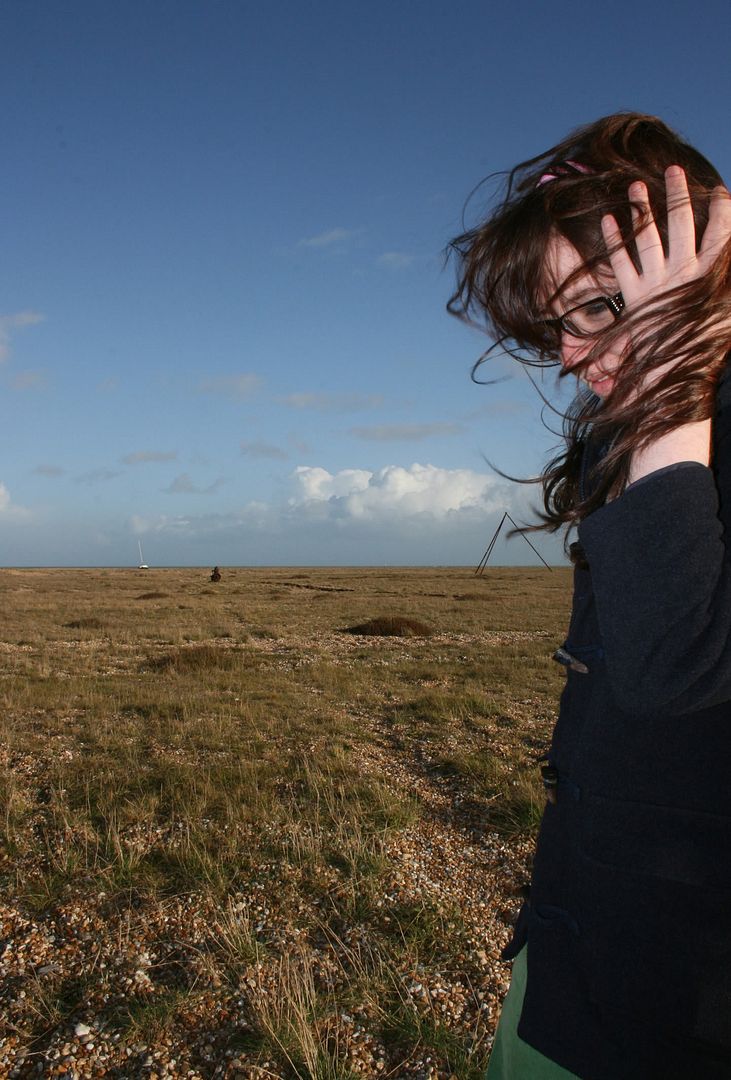
A flat terrain with very little puncturing the landscape, Dungeness presented itself as an inhospitable place; a bleak environment. A nauseating and depressing beach, with a lack of human intervention across its desolate expanse. With this negative response to the site, I sought to change what I saw, thus I continued with my previous theme of distortion and intended to maintain this in a physical manner.

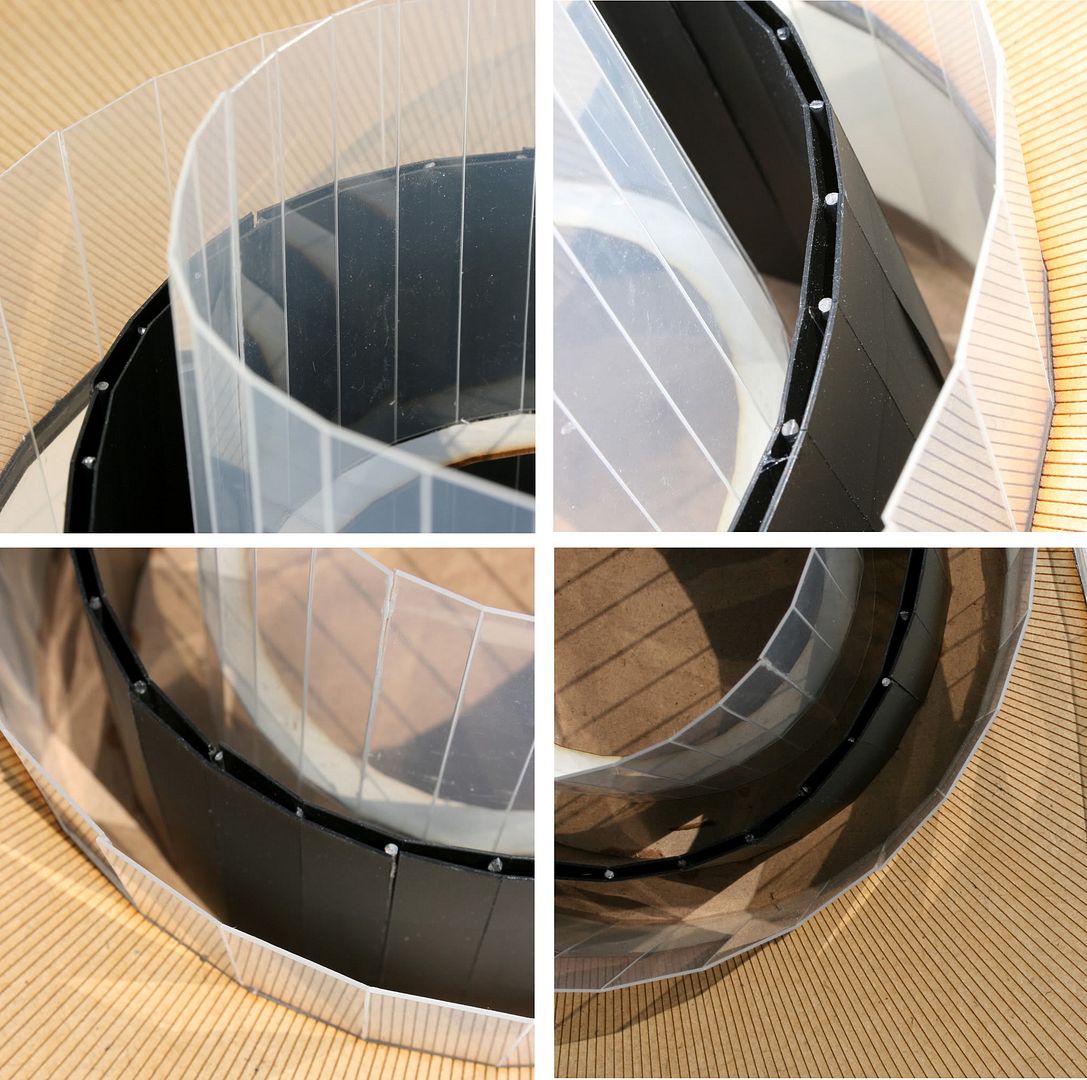
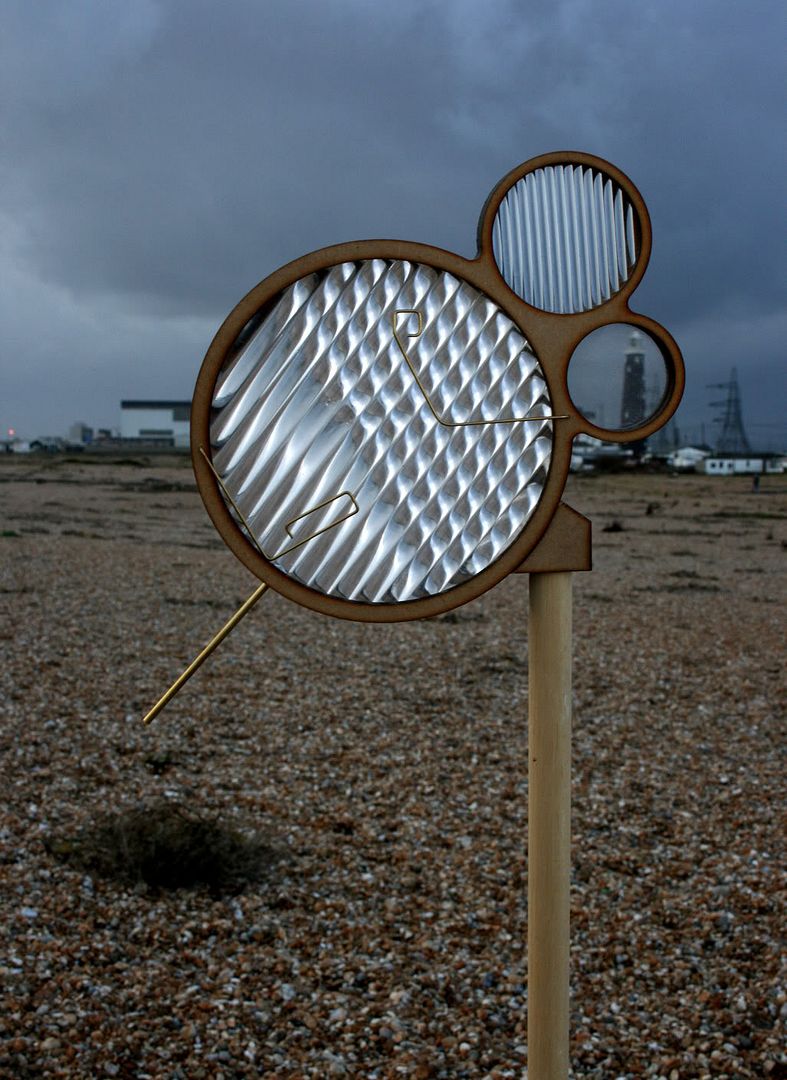
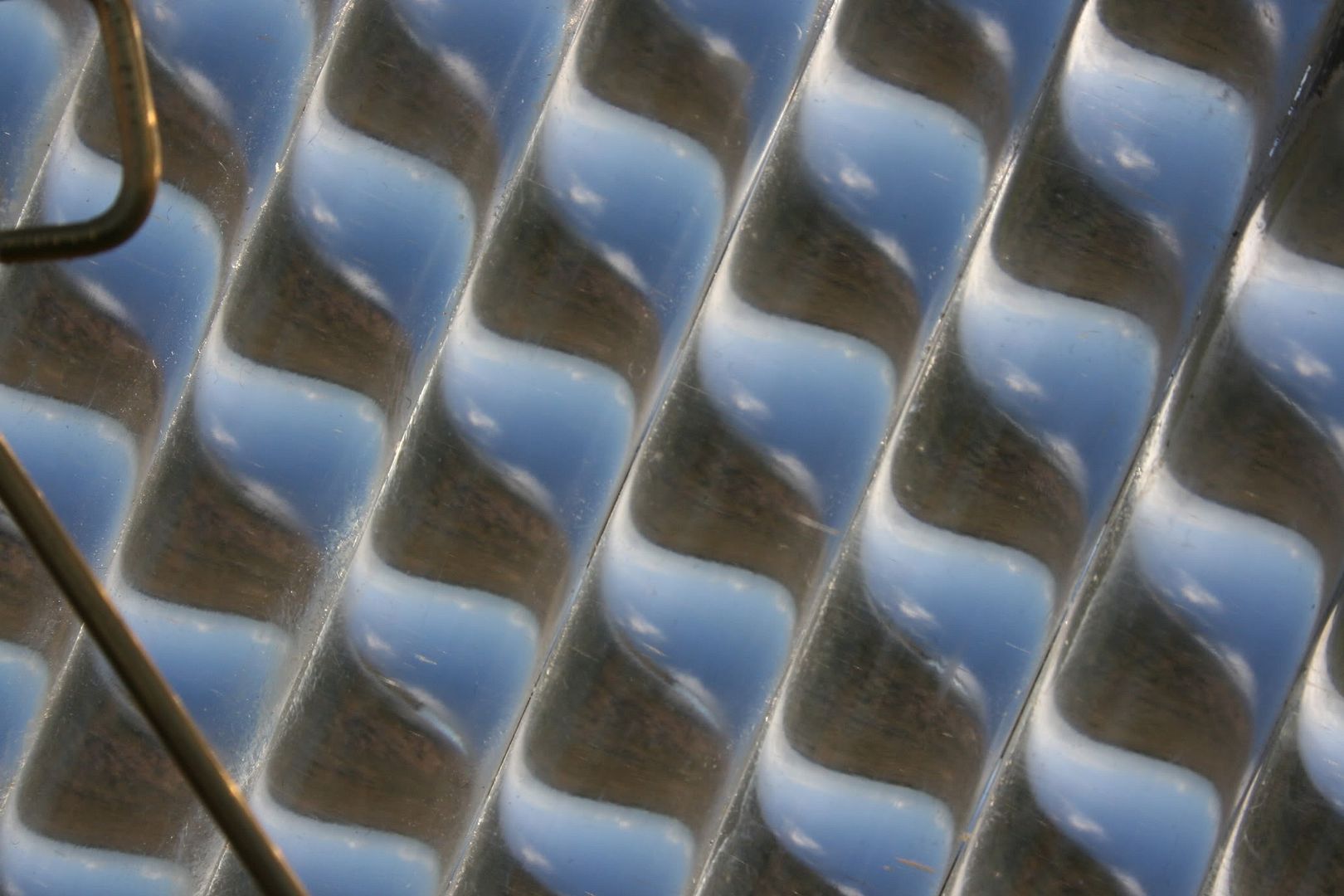
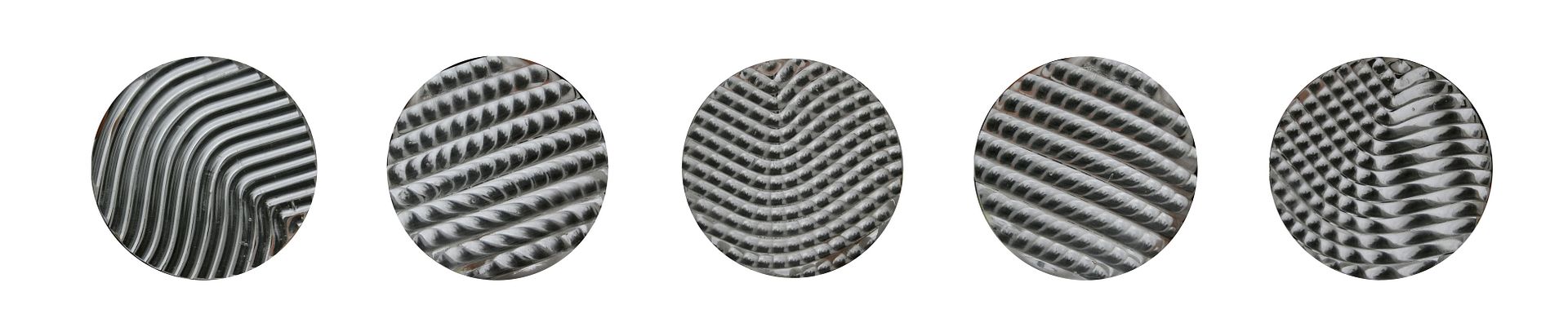
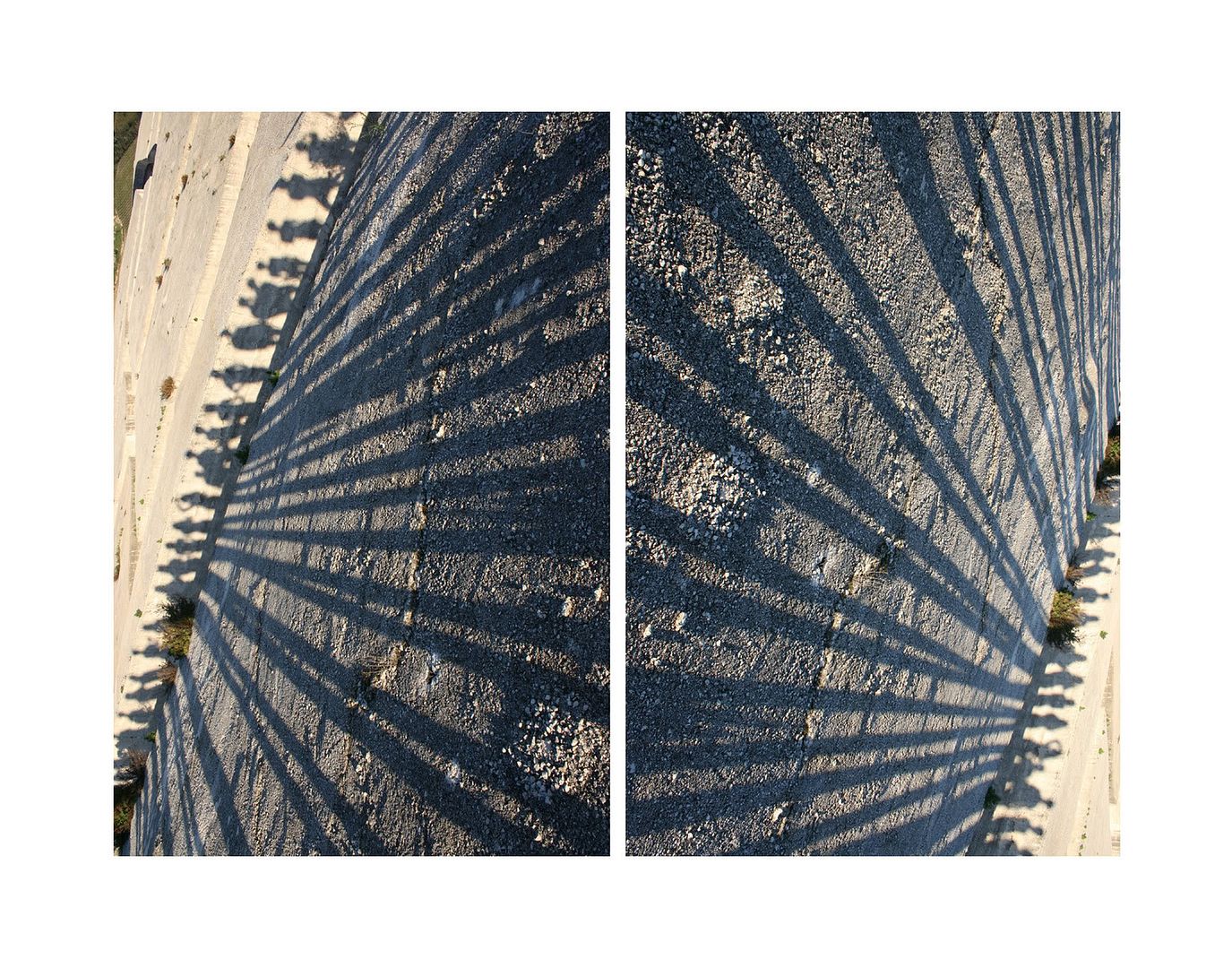
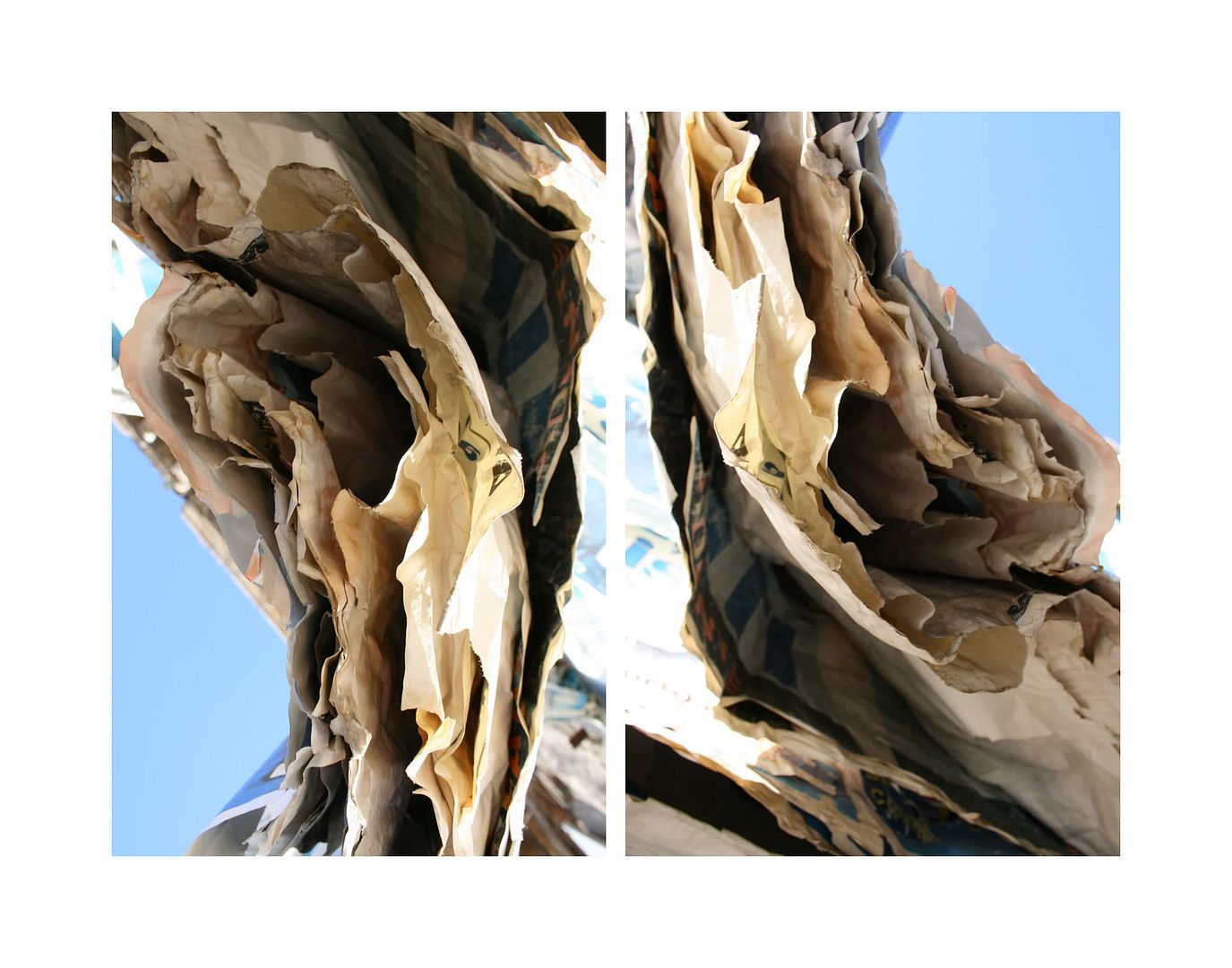
By bending plastic, a 'window' could be created to view the landscape through a level of distortion. Two of these plastic lense were made, each specific to defining architecture in Dungeness. The first vertically fractures the powerstation, a particularly horizontal building. The effect is a repetition of elements of the landscape.

The intention was to contain the landscape in order to reduce the feeling of agoraphobia experienced, much like a fish-eye lens, wrapping the landscape within it. The landscape, as a vast expanse, infinite in its 360º panorama of horizon, is condensed into the frames of the device. The result is a more manageable Dungeness, smaller finite moments which can be focused on. It is the sweeping motion of the mutable lens which sucks in the views with a satisfying fluency.
The two lenses, the curved and the straight, coalesce to form the primary lens. This is supplemented by a secondary lens; a single screen with straight Perspex rod. In addition, a control lens is present for purpose of comparison, their respective sizes determined by a hierarchy of their necessity to view the landscape.

The aesthetics are based around the porthole window, as found in the toilets of the pub on site, but also closely associated with much of the boating imagery to be found throughout Dungeness. The synthetic Perspex lenses are juxtaposed with the natural wooden frame which holds them, and a more traditional metal (brass) for the finishings.

An instrument similar to a protractor was developed in order to allow a measurement of the distortion within the device, its shape was a response to the ‘sweeping’ motion of the lens, and the developed language which derives from the containment of the view; sucked in. The brass arms on the device depict the two extremes of the device, on at 0º and the other, complete at 90º. Since the device created multiple contained images, these help to focus on a single frame, both offering very different distortions.


DESIGN: distorting mask


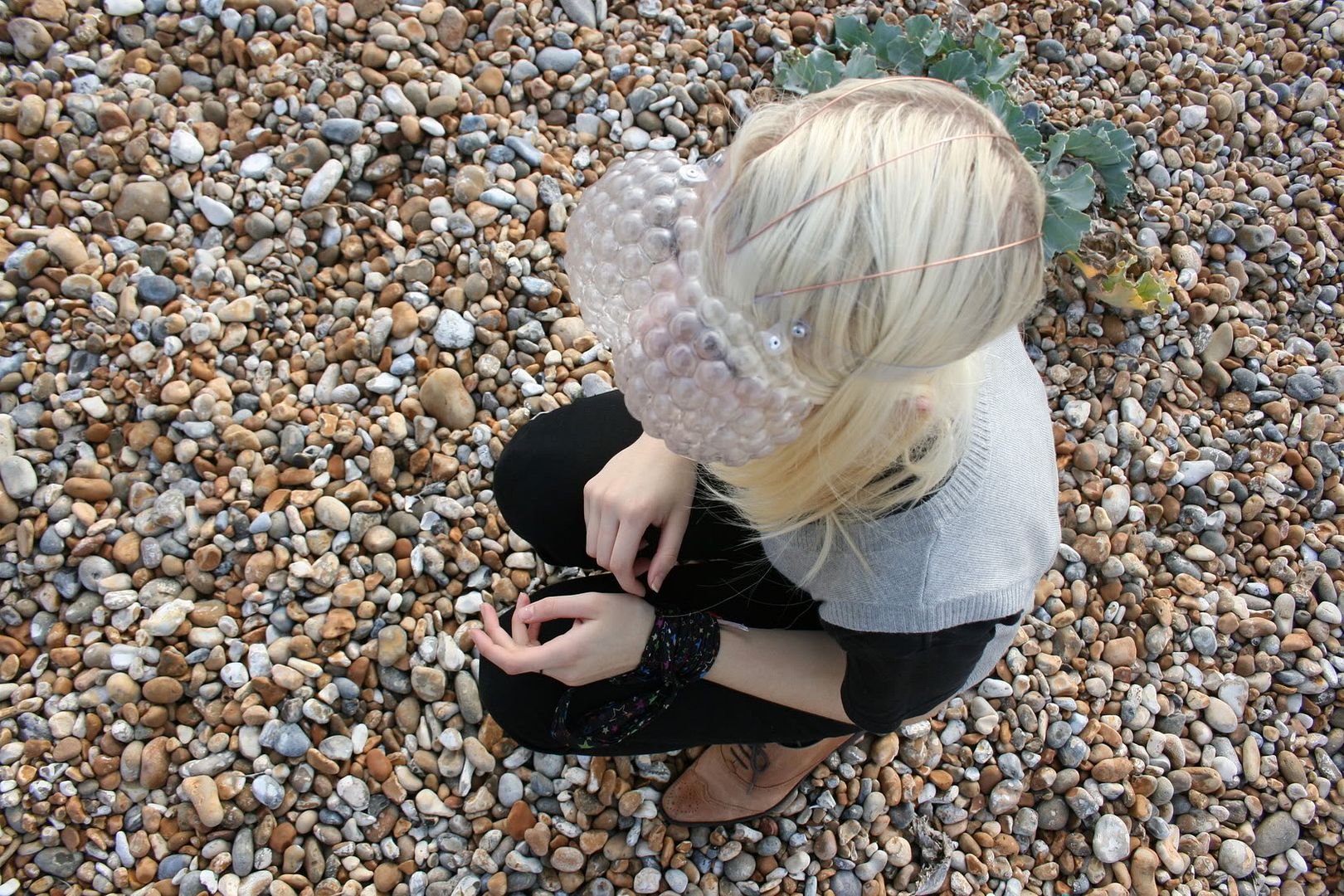
Distoring mask for Dungeness (2007).


A preliminary project, to the first term's design project, Second Year Architecture.

The theme 'distortion of reality' was carried through from a previous project, thus the next task was to quickly produce a device which distorted the reality of our site, Dungeness. After researching wildlife in the area I became fascinated with the compound eye, common to insects such as flies and beetles. The compound eye is made up of hundreds of photoreceptive units. Compared with single-aperture eyes, these produce a very poor image resolution, yet the ability for a very wide view angle. The result was a viewing device which sits on the head, completely covering the user’s eyes and successfully distoring the user 's field of vision.


DESIGN: Installation


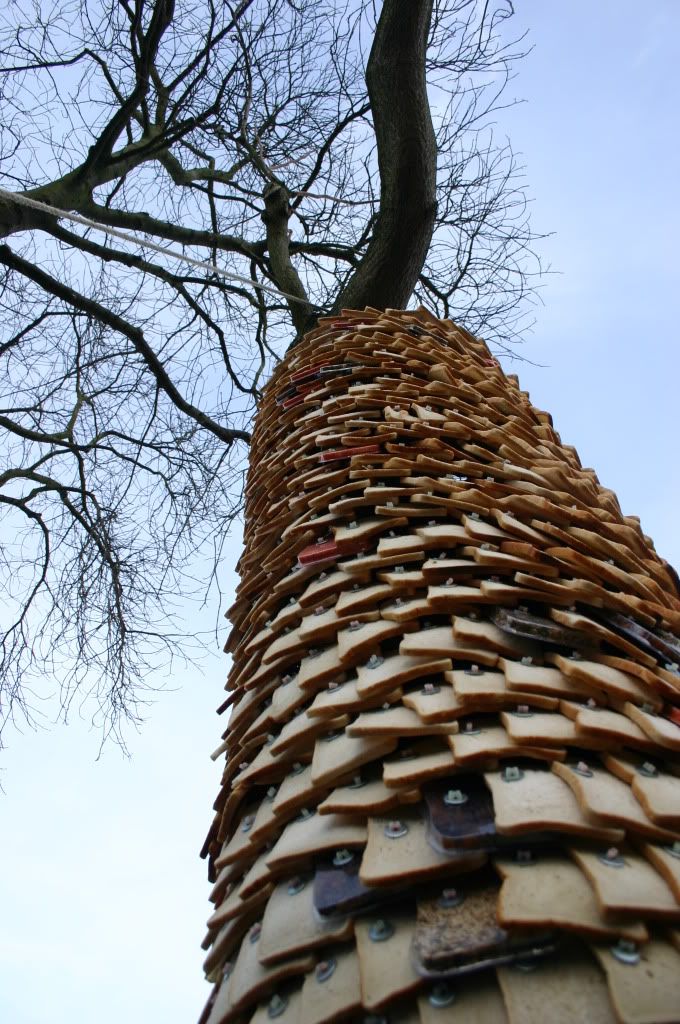
First term of First Year Architecture, at the Bartlett (2006).


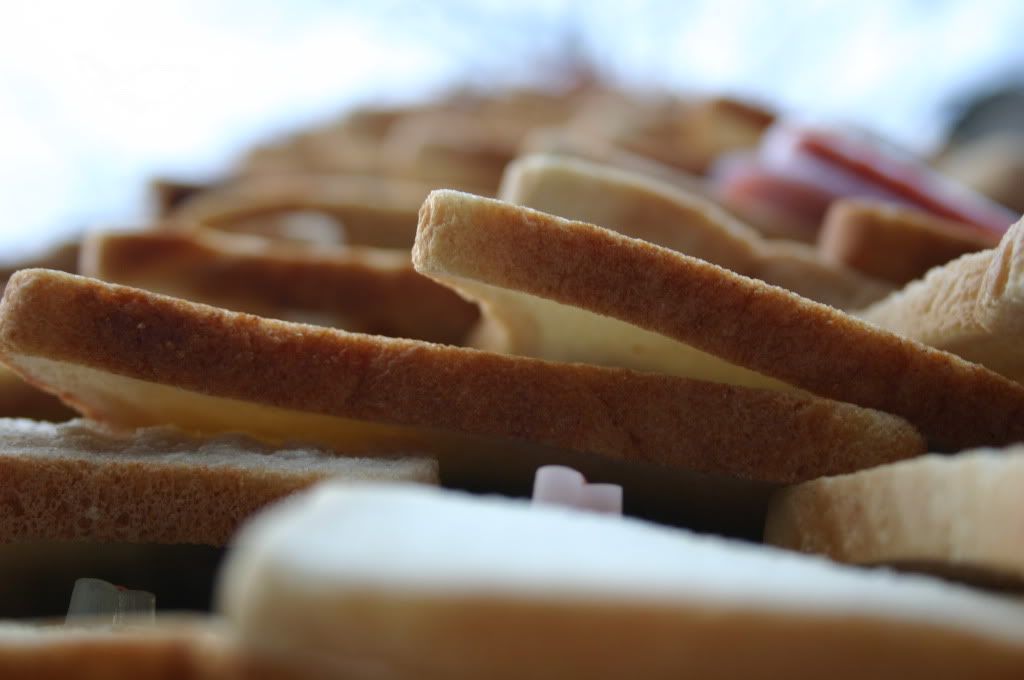
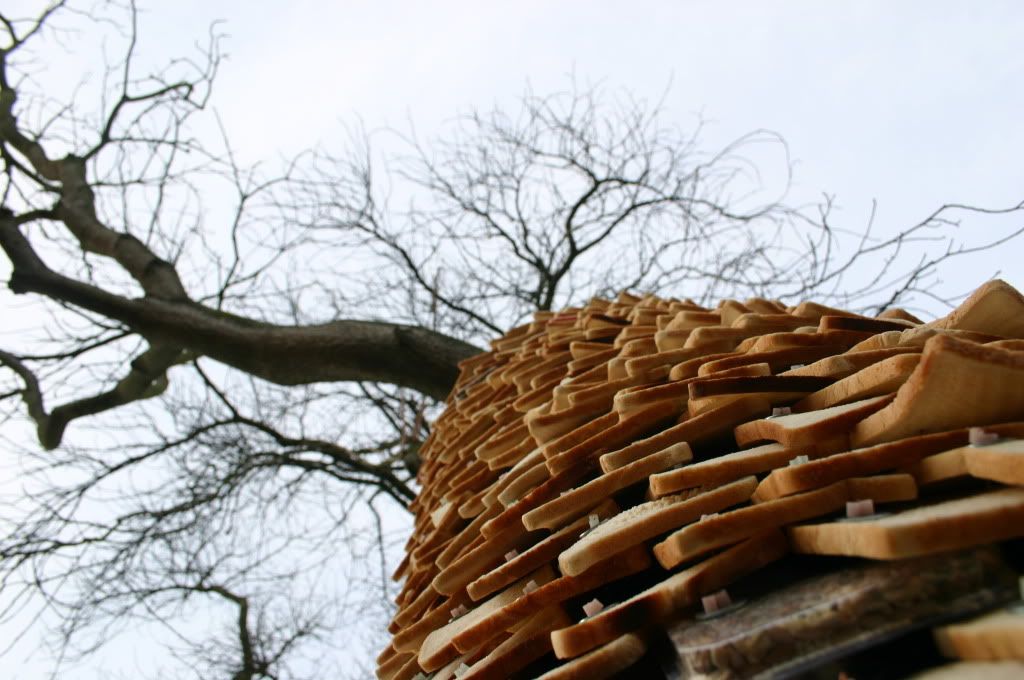
A group project, where I was working on the materials and aesthetics of the outer skin/facade of our installation. A response to a given site, South End Green in Hampstead, London. An imposing 2 metre tall mesh cage, cladded in exactly 1000 slices of dried bread, tiled and secured to the frame. Inside, the structural steel frame, housing a cylinder with revolving lights, to be viewed from below as the entire structure is suspended from a tree on site. We also successfully adhered to the requirement of portability: the installation was transported, assembled and hoisted up on the day.


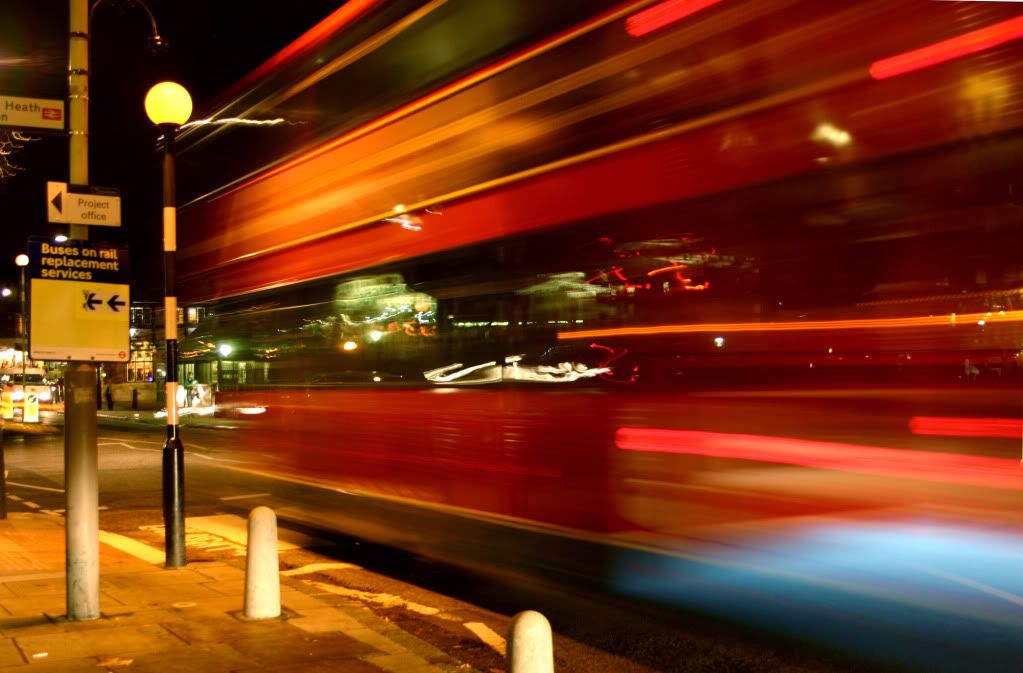
PHOTOGRAPHY: London Bus


First term of First Year Architecture, at the Bartlett.


PHOTOGRAPHY: Palermo


Palermo, Sicily (2006).


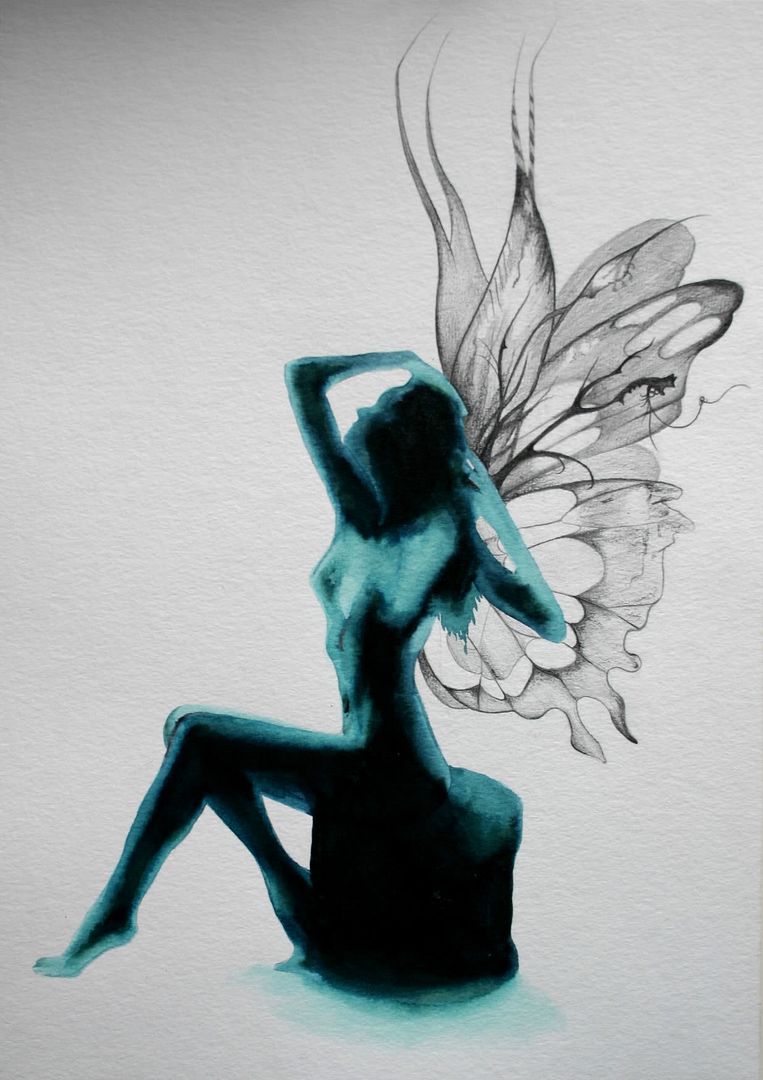
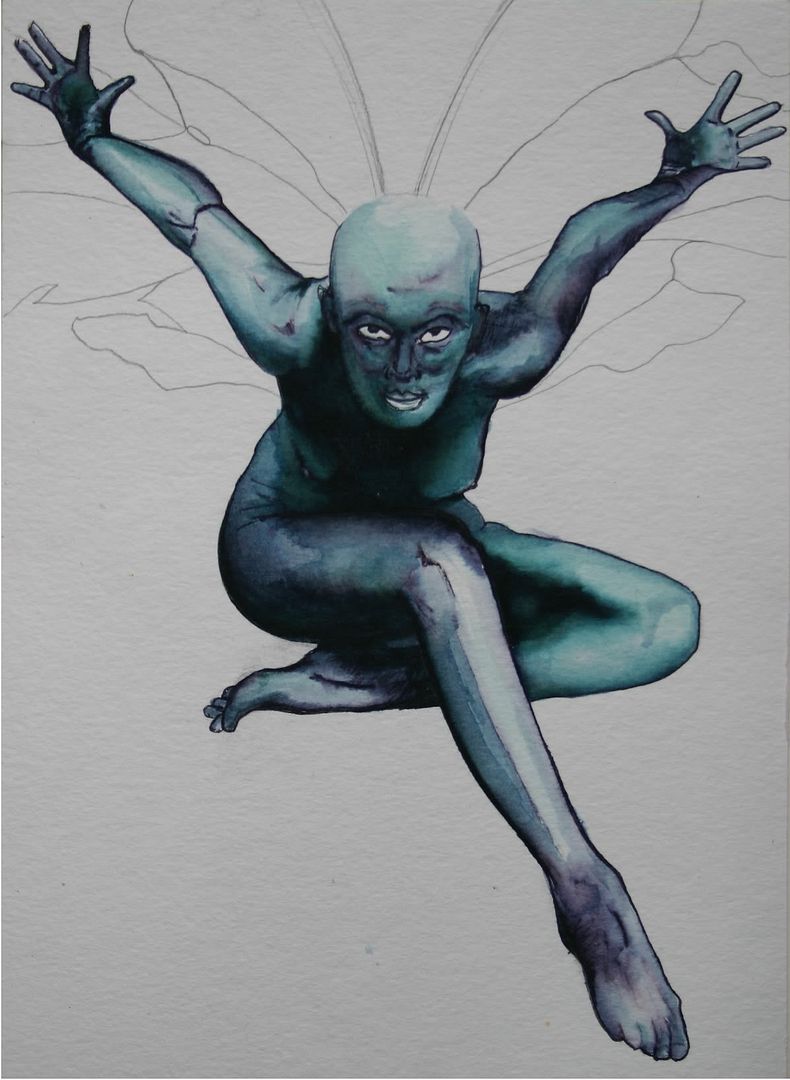
ART: fairies


Sketchbook pieces, Year 12 Art & Design.


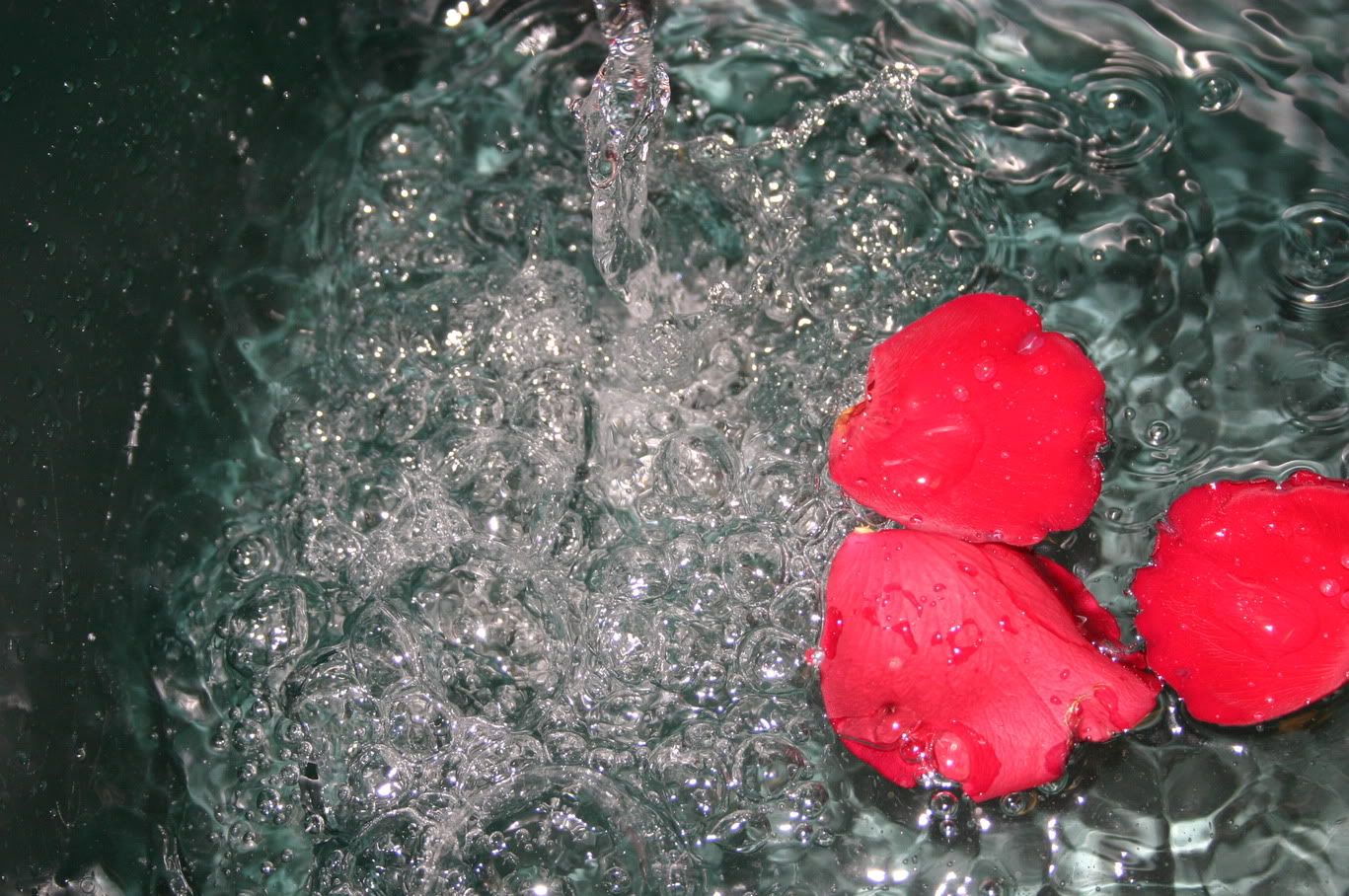
Rose Petals


I include this old photograph as it is perhaps my very favourite of the thousands I have taken over the years. A dramatic image emerged from a banal domestic setting.